


The recent backlash against Oura Ring has rippled through Reddit, TikTok, and other platforms after news of the company’s expanded work with the US military and its partnership with Palantir surfaced.
The reaction: a chorus of users pledging to ditch their rings, loads of online speculation, and plenty of questions, especially for everyday people who just want to track their sleep and fitness without having to worry about who might be peeking at that data.
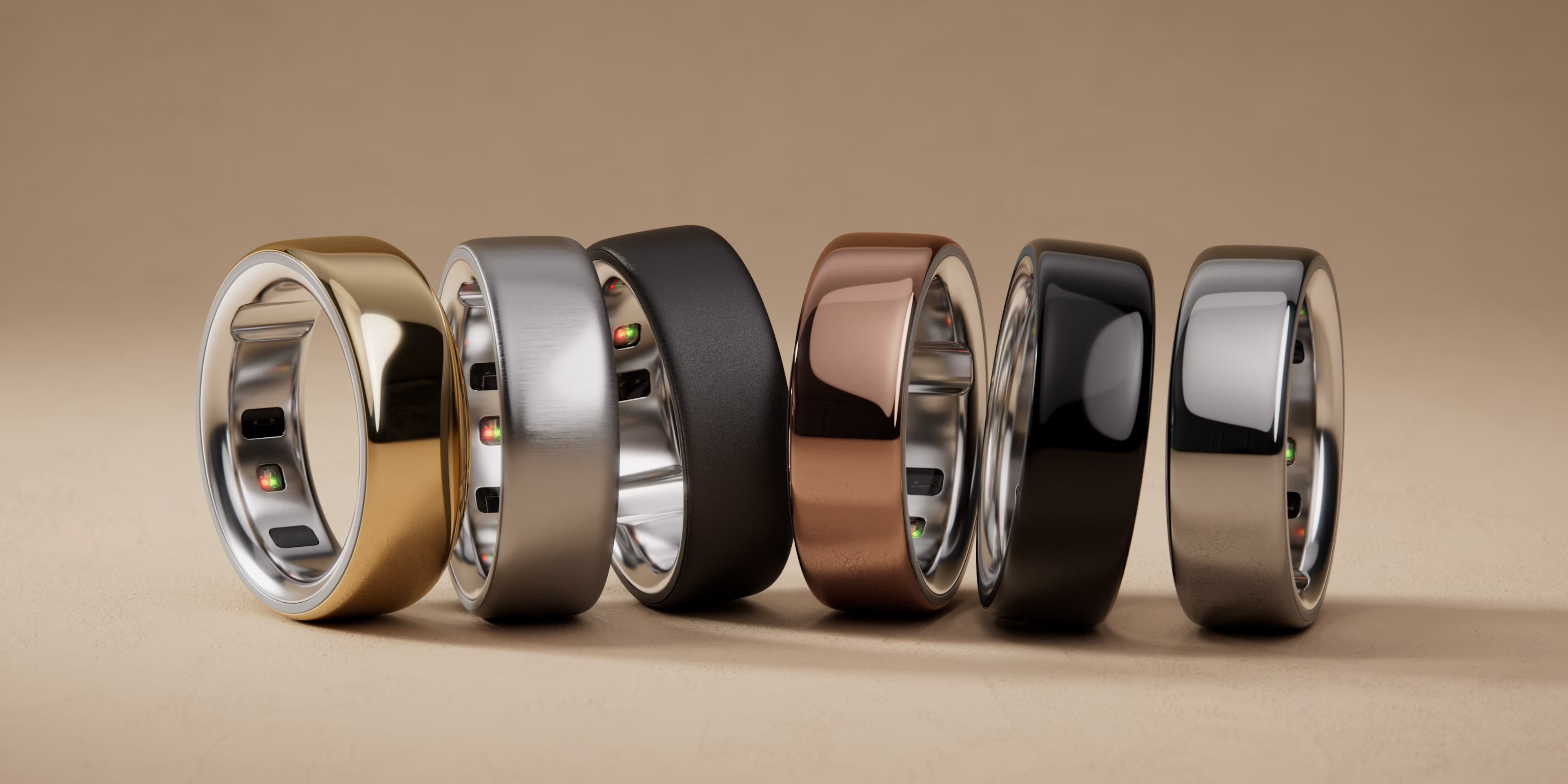
So, is Oura selling health data? Can the government get my private info? Here’s what’s really going on.
What sparked the outcry?
Oura’s announcement of a new Texas factory and a bigger partnership with the US Department of Defense set things off, especially when they described the DoD as their “largest enterprise customer”.
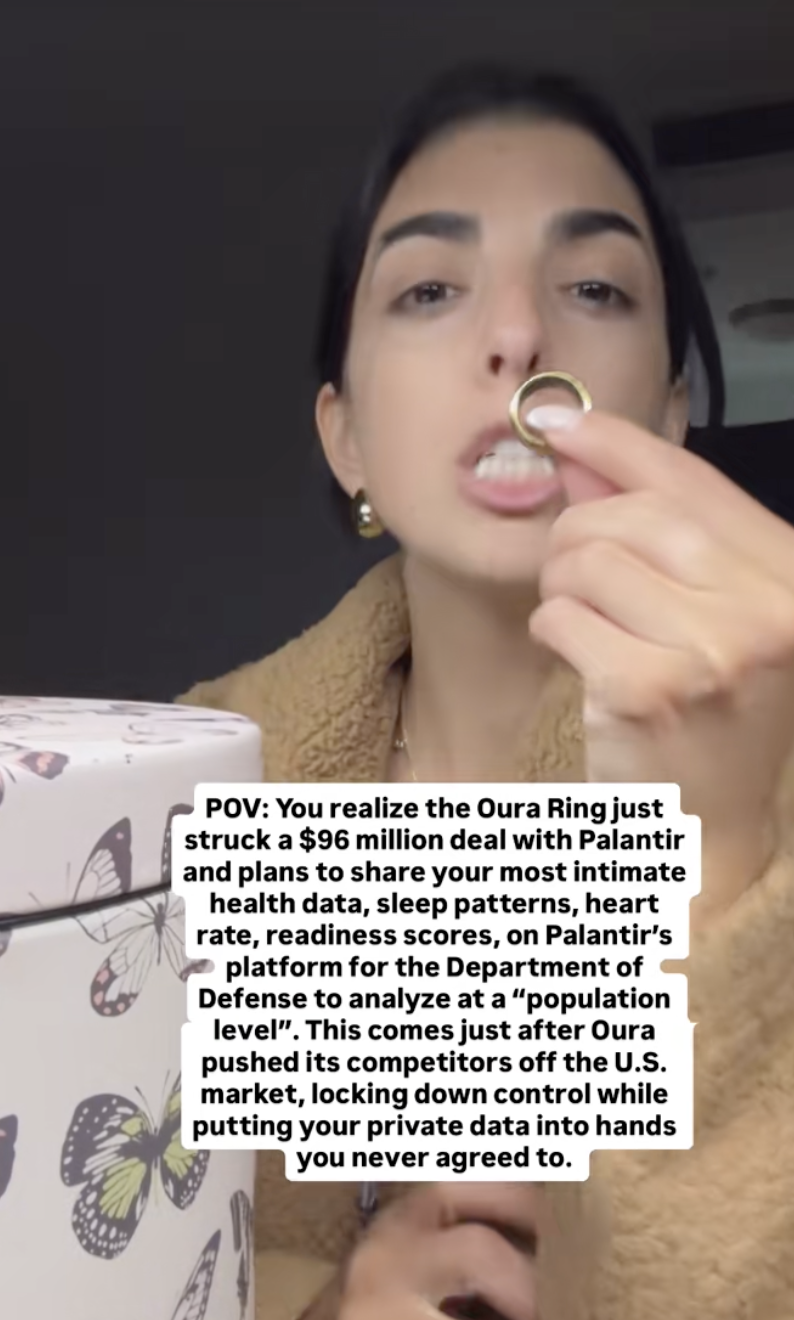
Social feeds quickly filled with cancellations and dramatic videos, paired with worries that personal health data might end up in government or contractor hands.

What does Oura say about the allegations?
Much of the concern revolves around data privacy and the involvement of Palantir, a company known for its work with security agencies. While posts speculated about military access to user sleep and health stats, Oura's leaders have made their position clear publicly.


The pulse of Australian culture, since 2005.
Sign up for your daily dose.
By providing your information, you agree to our Terms of Use and our Privacy Policy. We use vendors that may also process your information to help provide our services.
In a video response, CEO Tom Hale addressed these concerns directly: “Let’s clarify what’s essential: Oura does not sell your information, nor do we share it with external parties without your explicit permission”.
Hale also stated, “The Department of Defense (DoD) environment is entirely distinct from the Oura platform that our users engage with, and neither [Palantir] nor the government can access your Oura health data. Your personal information does not enter any government system, and no one… has access to it — period”.
Oura’s written statement mirrors this, repeatedly noting: “Unless you are a service member enrolled in a Department of Defense health or human-performance program using an Oura Ring — and you have consented to share your data with that program — your data will never be disclosed to the DoD”.
Palantir, for its part, only provides a security layer for Oura’s enterprise (not consumer) platform and has no access to individual user stats.
Users remain divided over Oura
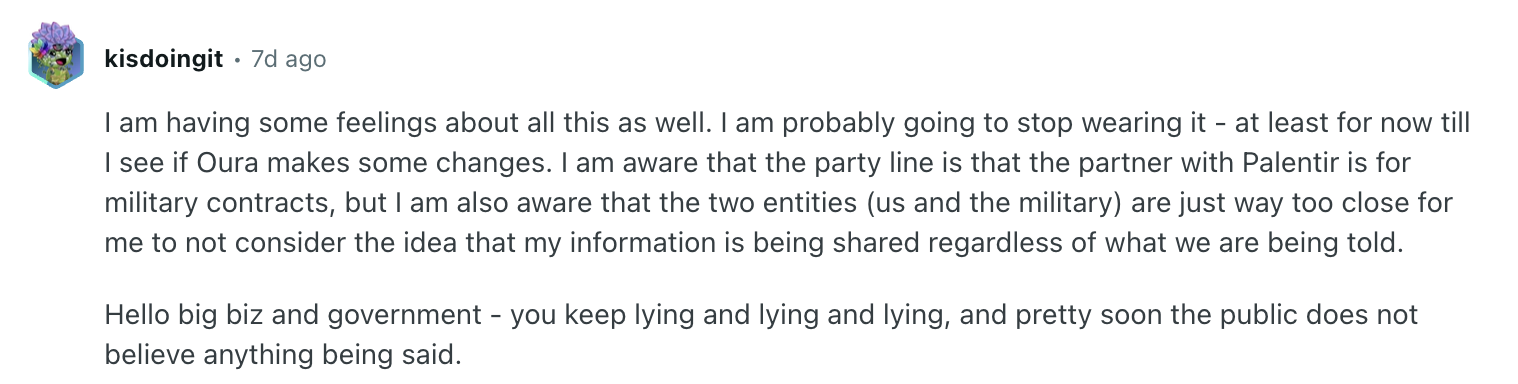
Despite Oura’s clear stance, some users remain sceptical or uncomfortable with the company’s willingness to work with defence and intelligence contractors. Users voice concern that “once access is granted, data can flow through multiple unseen channels: vendors, contractors, algorithms, and even unintended systems”, per Reddit.
For many, the debate is about more than privacy — it’s about corporate ethics and trust.

For Australians, Oura’s public commitments line up with what’s required under the Privacy Act 1988 and Australian Privacy Principles: biometric and health data can’t be shared or sold without explicit, informed consent. Unless someone joins a defence-linked research project and provides approval, their Oura data falls under both local law and company policy. The result is an extra layer of legal protection that keeps personal stats in users’ hands.
Tom Hale’s statement captures the company’s official line: “Oura does not sell your information, nor do we share it with external parties without your explicit permission”.
But with trust shaken and tempers high, it’s clear that in the world of wearable health tech, the conversation around privacy — and what companies owe their customers — is only getting started.
Lead image: TikTok
